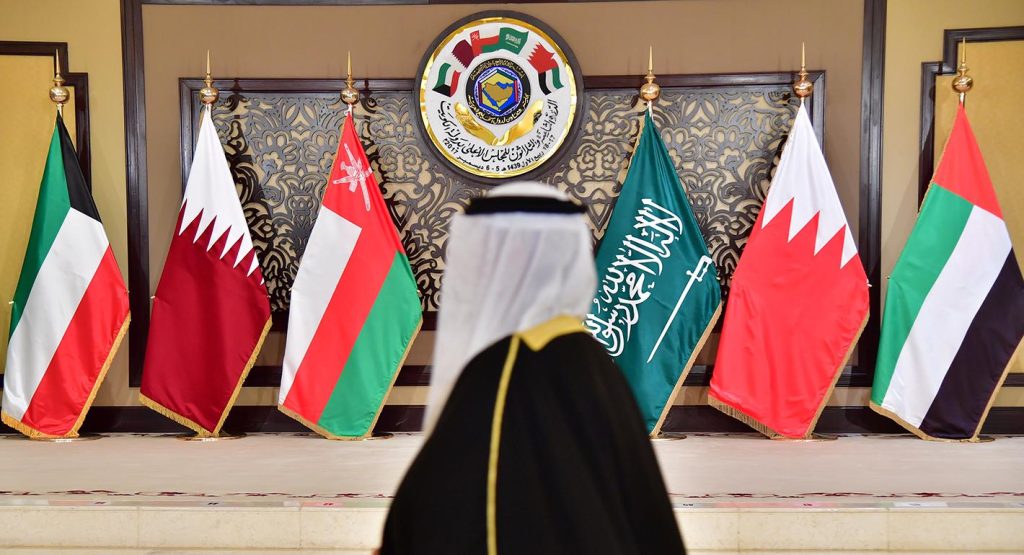
At first glance, the Gulf Cooperation Council (GCC) — long synonymous with oil wealth — may appear to be entering a more restrained phase of growth. Ambition, geopolitics, and technology are aligning in ways not seen before — creating a window that will define the region’s trajectory for decades. For global companies, the question is no longer whether the GCC will transform, but how quickly it will do so, and who will be positioned early enough to benefit.
The long-held view of the GCC as a hydrocarbons-led economy is increasingly outdated. Today, growth is being driven by trade diversification, digital capability, industrial resilience, and private-sector participation. In 2026 and beyond, the region is not a cautious bet — it is a strategic one.
1. Expanding Global Trade Bridges
The GCC is deliberately repositioning itself as a global connector. Deepening trade links with Asia, Europe, and emerging markets, supported by new agreements and logistics corridors, are reshaping how goods, capital, and services move across regions. For companies in manufacturing, logistics, fintech, and professional services, the GCC offers a compelling base to serve multiple high-growth markets from a single platform.
2. Securing Critical Supply Chains
As global supply chains fragment, GCC governments are investing heavily in upstream partnerships, domestic production, and industrial resilience. From critical minerals to advanced manufacturing inputs, new value chains are being built rather than inherited.
3. From AI Ambition to Scaled Deployment
The region has moved beyond AI strategy papers to real execution. Investments in data infrastructure, sovereign AI initiatives, and sector-wide digital transformation are positioning the GCC as a serious hub for applied AI. Businesses operating in cloud services, cybersecurity, data platforms, and enterprise AI solutions will find a market that is ready — and actively looking — to scale.
4. Workforce Transformation and Skills Acceleration
This technological shift is being matched by investment in people. Modular upskilling, vocational pathways, and future-skills programmes are reshaping GCC labour markets. Companies entering the region can access fast-evolving talent ecosystems and partner with governments on training, localisation, and long-term capability building.
5. Fiscal Discipline and Investment Momentum
At the same time, fiscal discipline, privatisation, and public-private partnerships are strengthening investor confidence. Infrastructure, clean energy, mobility, healthcare, and utilities are seeing sustained momentum, supported by long-term reform agendas.
The takeaway is clear: the GCC is no longer an emerging opportunity — it is a strategic growth market undergoing structural reinvention. Those who move early, align with national priorities, and build meaningful local partnerships will shape the next phase of growth rather than chase it.